
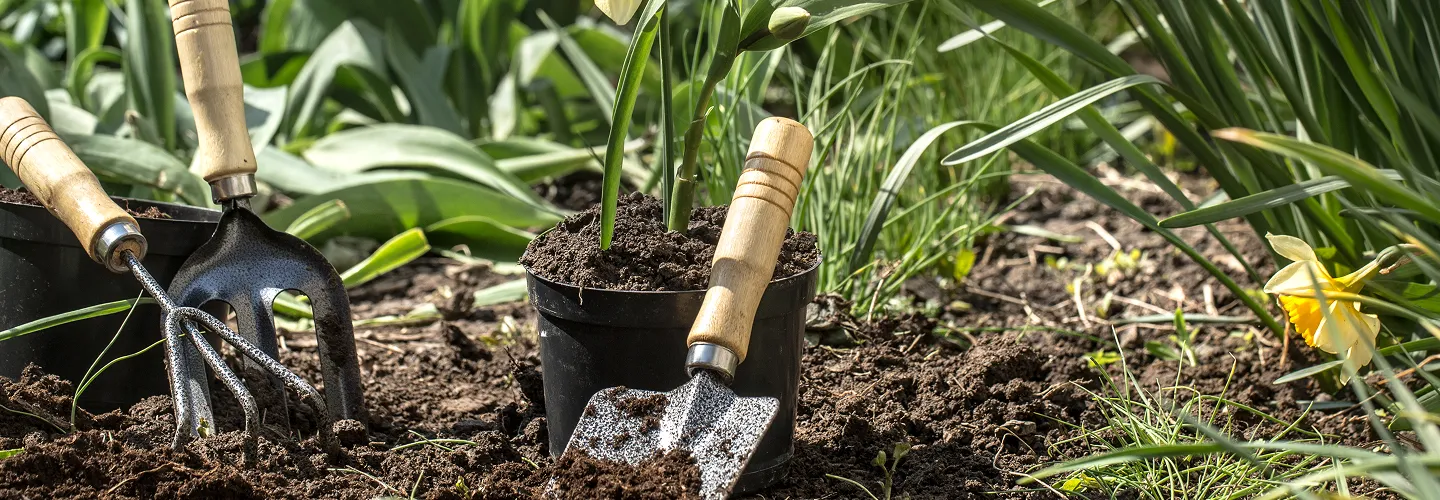
Montura Green Waste Disposal Services
Choose Montura for reliable, environmentally responsible green waste disposal—helping you keep your property clean while protecting our planet.
Get a Free QuoteOur Montura Landscaping & Yard Care Services
When to Schedule Green Waste Disposal in Montura, Florida – Seasonal Guide
In Montura, Florida, the timing of green waste disposal is closely tied to our unique subtropical climate and the rhythms of the local landscape. The optimal periods for scheduling this service are typically late winter through early spring and again in late summer, just before the peak of hurricane season. These windows align with the end of the dormant period for most trees and shrubs, as well as the time when rapid growth and storm debris are most likely to accumulate.
Local factors such as the sandy soils around Montura Ranch Estates, the prevalence of shade from mature oaks, and the risk of late frosts—usually ending in early March—play a significant role in determining the best disposal schedule. Humidity levels rise sharply in the summer, increasing the risk of mold and decay in piled green waste, while municipal guidelines, which can be found on the official town website, may restrict disposal during certain weeks. By considering these elements, homeowners can keep their properties tidy and compliant with local regulations.
Local Factors to Consider for Green Waste Disposal in Montura
- Tree density and types (e.g., live oaks, palms, and pines common in Montura Ranch Estates)
- Terrain and soil drainage, especially in areas near Montura Canal
- Seasonal precipitation patterns and hurricane preparedness
- Municipal restrictions and scheduled pickup dates
- Shade coverage affecting decomposition rates
- Drought risk during late spring and early fall
Benefits of Green Waste Disposal in Montura

Eco-Friendly Landscaping Solutions
Efficient Green Waste Removal
Promotes Healthy Plant Growth
Reduces Landfill Waste
Improves Curb Appeal
Supports Sustainable Practices
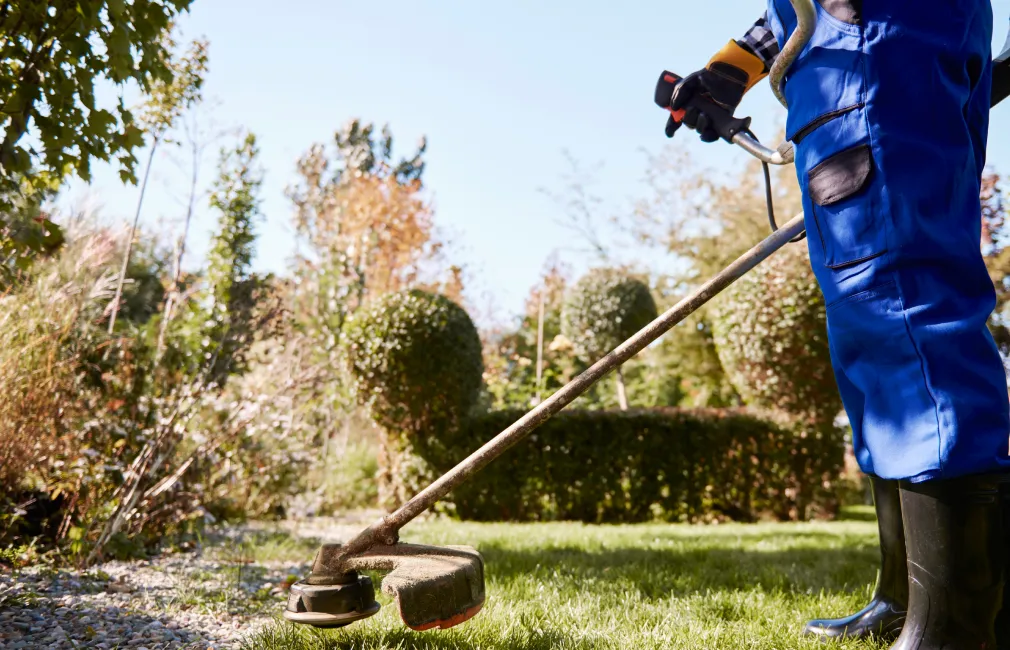
Montura Green Waste Disposal Types

Grass Clippings
-
Tree Branches
-
Shrub Trimmings
-
Leaves Collection
-
Palm Fronds
-
Garden Weeds
-
Mulch and Wood Chips
Our Green Waste Disposal Process
Collection of Green Waste
Sorting and Separation
Transport to Disposal Facility
Eco-Friendly Processing
Why Choose Montura Landscape Services
-
Montura Homeowners Trust Us
-
Reliable Lawn Maintenance
-
Competitive Pricing
-
Professional Team
-
Satisfaction Guarantee
-
Personalized Service
-
Timely Project Completion
Coordinating Green Waste Disposal Through Hendry County Departments in Montura
Montura is an unincorporated community within Hendry County, which means green waste disposal coordination falls under county-level departments rather than a standalone municipal program. Residents and property managers should verify current vegetative debris collection schedules, accepted materials, and container or bundling requirements directly through Hendry County's public works and engineering divisions. Because Montura lacks curbside municipal services typical of incorporated cities, property owners often rely on a combination of county drop-off options and private hauling for organic yard debris such as grass clippings, palm fronds, tree trimmings, and shrub cuttings.
- Confirm whether vegetative debris must be separated from household solid waste before transport
- Verify accepted bundle sizes, container types, and any weight or volume limits with the county
- Coordinate with county engineering staff regarding debris placed near roadside swales or drainage easements
- Contact the county forester's office for guidance on large-scale land-clearing debris or storm-damaged tree material
Hendry County Engineering
Official Website: Hendry County Engineering
Florida County Forester Directory
Official Website: Florida County Forester Directory
How Montura's Inland Subtropical Climate and Soils Shape Green Waste Volume
Montura sits in the South Florida inland subtropical zone, classified within USDA Hardiness Zone 10a, where year-round warmth and a pronounced wet season from roughly May through October drive aggressive vegetative growth. The area receives approximately 50–55 inches of annual rainfall, with the heaviest accumulation during summer months. This rainfall pattern, combined with high humidity and sustained temperatures above 90°F from June through September, produces rapid biomass accumulation from bahiagrass, St. Augustinegrass, tropical shrubs, and native vegetation.
- Sandy, poorly drained soils: Much of the Montura area features flatwoods-type sandy soils with a high water table, which can saturate organic debris piles and complicate on-site composting or temporary storage
- Canal and ditch network: Montura's grid of drainage canals and roadside ditches is sensitive to organic blockage; green waste left near canal banks can obstruct flow and degrade water quality
- Seasonal debris surges: Tropical storms and heavy summer rains generate sudden increases in downed palm fronds, broken branches, and wind-stripped foliage that require prompt removal
- Slow decomposition risk: While heat accelerates some breakdown, waterlogged organic piles in low-lying areas can become breeding sites for mosquitoes and produce anaerobic odors
Property owners should avoid stockpiling green waste in swales or near canal edges, as decomposing organic material leaches nutrients into the drainage system. The Florida Department of Environmental Protection oversees broader water quality standards that apply to stormwater and canal discharge throughout Hendry County.
Navigating Hendry County Regulations and Compliance for Green Waste Disposal
Green waste disposal in Montura must comply with Hendry County solid waste ordinances and state-level environmental regulations. Property owners generating large volumes of vegetative debris—such as from lot clearing, storm cleanup, or seasonal maintenance—should confirm whether the scope of work triggers any county review or requires coordination with the planning department, particularly on parcels near environmentally sensitive drainage corridors.
- Open burning of yard waste may require authorization from the Florida Forest Service and must comply with county burn restrictions, which are frequently enacted during dry-season months from November through April
- Dumping green waste into canals, drainage ditches, or retention areas violates provisions under the Clean Water Act and state water quality standards enforced through the NPDES Stormwater Program
- Commercial landscape operators hauling green waste must ensure proper transport and disposal at authorized facilities; verify current requirements with Hendry County
- Properties adjacent to canal easements or drainage infrastructure should confirm setback and access restrictions before staging debris for pickup
Hendry County Planning and Zoning
Official Website: Hendry County Planning and Zoning
Residents should also be aware that the South Florida Water Management District manages regional canal and water control infrastructure in the area, and unauthorized obstruction of these systems can result in enforcement action. The UF/IFAS resource on protecting Florida's water resources provides additional guidance on preventing nutrient loading from organic debris.
Timing and Methods for Green Waste Disposal in Montura's Wet and Dry Seasons
Effective green waste disposal in Montura requires scheduling around the area's distinct seasonal patterns. During the wet season, rapid turf and shrub growth generates higher volumes of clippings, trimmings, and fallen organic material, while saturated ground conditions make on-site storage and transport more difficult.
- Wet-season management (May–October): Schedule frequent removal cycles to prevent debris accumulation; avoid staging piles in low areas prone to standing water; ensure clippings and trimmings are kept away from canal banks and swale inlets
- Dry-season management (November–April): Reduced rainfall slows growth but increases fire risk from dried vegetation; remove dead palm fronds, dried brush, and accumulated leaf litter promptly to reduce wildfire fuel loads
- Bundling and preparation: Cut branches and woody material to manageable lengths, typically under four feet, and bundle securely for transport; separate grass clippings and soft organic material from woody debris
- On-site composting: Where lot size permits, composting grass clippings and non-woody plant material can reduce disposal volume, but compost piles should be located away from property boundaries, drainage features, and canal easements
Florida Department of Environmental Protection
Official Website: Florida Department of Environmental Protection
Professional operators should use tarped or enclosed trailers when hauling green waste on county roads to prevent debris from entering roadside drainage infrastructure. The EPA's stormwater guidance for municipal sources outlines broader expectations for preventing organic pollutant discharge during transport and disposal operations.
What Neighborhoods Do We Serve Throughout Montura, FL?
- Montura Ranch Estates: This large-lot residential subdivision features expansive parcels with bahiagrass pasture areas and native vegetation that generate significant volumes of green waste, particularly after wet-season growth surges and storm events.
- Montura Ranch Estates Unit 1: Properties in this section often border the community's internal canal grid, requiring careful staging of vegetative debris away from drainage easements and canal banks.
- Montura Ranch Estates Unit 2: Lots in this area tend toward mixed cleared and semi-wooded conditions, producing a combination of grass clippings, palm fronds, and brush that requires sorted disposal.
- Flaghole Area: Located near the southern portions of the Montura community, properties here may have lower elevation and higher seasonal water tables, complicating on-site debris storage during wet months.
- Pioneer Plantation (adjacent area): Nearby parcels in this neighboring community share similar soil and drainage conditions, with large lots generating substantial brush and tree-trimming debris that must be transported to authorized disposal sites.